I went home to Indiana to visit my parents at the end of September, my favorite time of year there. Just a weekend trip. It was perfect, the weather, the company, the activities... all of it.
Standing on the parents back patio. (My dad's tornado proof shed)

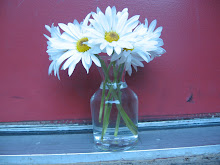
hydrangeas still in bloom...

The only kids that are still at home.

On the way home from the airport we stopped at the American Countryside Farmer's Market. Beautiful! It's made of beautiful wood and has 3 floors of restaurants and shops full of home made items and home cooked goods (including a lot of goods from the Amish community). We had buffalo burgers for lunch, Yum!

Photo from here
There was a shop in the farmers market called "Sew Cute by Janet Bradburn", where I got this AMAZING purse.
It is machine washable, reversible, can be worn as a satchel purse of regular on the shoulder purse, and the POCKETS ARE TO DIE FOR! There are all kinds of fun prints, I went with a classic look so I could wear it with anything. Seriously favorite purse I've ever owned. When you pick it up, the straps automatically shut the top tight so nothing falls out and no one can see in your purse, when you set it down, the straps loosen and open the top.

A look at the inside. (Sorry, Didn't want to empty it out just for a picture) They use a whole pair of size 9 or larger jeans for the inside of the purse. There are pockets all the way around that are super deep. Everything has a compartment, the only thing in the big section is my wallet and glasses, no more digging for 5 minutes just to find my chapstick. Keys can be hooked on a belt loop. I have everything but the kitchen sink in here. LOVE IT!!!!
A look at the inside. (Sorry, Didn't want to empty it out just for a picture) They use a whole pair of size 9 or larger jeans for the inside of the purse. There are pockets all the way around that are super deep. Everything has a compartment, the only thing in the big section is my wallet and glasses, no more digging for 5 minutes just to find my chapstick. Keys can be hooked on a belt loop. I have everything but the kitchen sink in here. LOVE IT!!!!

Then we were headed home to make salsa. Dad's famous salsa! I'm drooling just looking at the pictures.

Freshly blanched tomatoes, ready for peeling and slicing.

The master Chef himself, making some mean salsa.

Me and dad, hard at work. From 12:30 pm to 9:30 pm

Have I mentioned one of my favorite all time favorite snacks is Chips and Salsa- Good salsa.
The Salsa made it home safely on the airplane. Friends family and co workers who have sampled the salsa we made are begging me to share some more. I called Dad the first day back and said, "Well, the good news is, it's delicious! Bad news is, it's not going to last very long at all!"

Next: Can you guess?

Home Made Freezer Jam. Fresh berries. Flavors: Marion Berry, Iverness Berry, Raspberry.


Yum. Stocked up for the year. I'm already getting requests from those who tasted last year's jam we made.

Then we were off to visit Amish Acres! A fun attraction with shops, games, restaurant and theater revolving around the Amish culture.

The Inn at Amish Acres- wouldn't this be the coolest hotel stay?

The Round Barn Theatre. Dad said the shows in here are good.

Of course we visited all the shops at my request :)

Of course we visited all the shops at my request :)

I bought an Amish doll similar to this for my house, Notice how they don't have faces on them? Amish don't put faces on their dolls.


Everything was so country. Loved this-

And this-

You have to stand back and toss the ring that's hanging on the string and get the ring on the small hook on the post. Dad did it- I was amazed!

An after church picture. I was told I looked "very Floridian" with the huge-'ol flower in my hair.


Nothing quite like going home...